Tag: AI product design
-

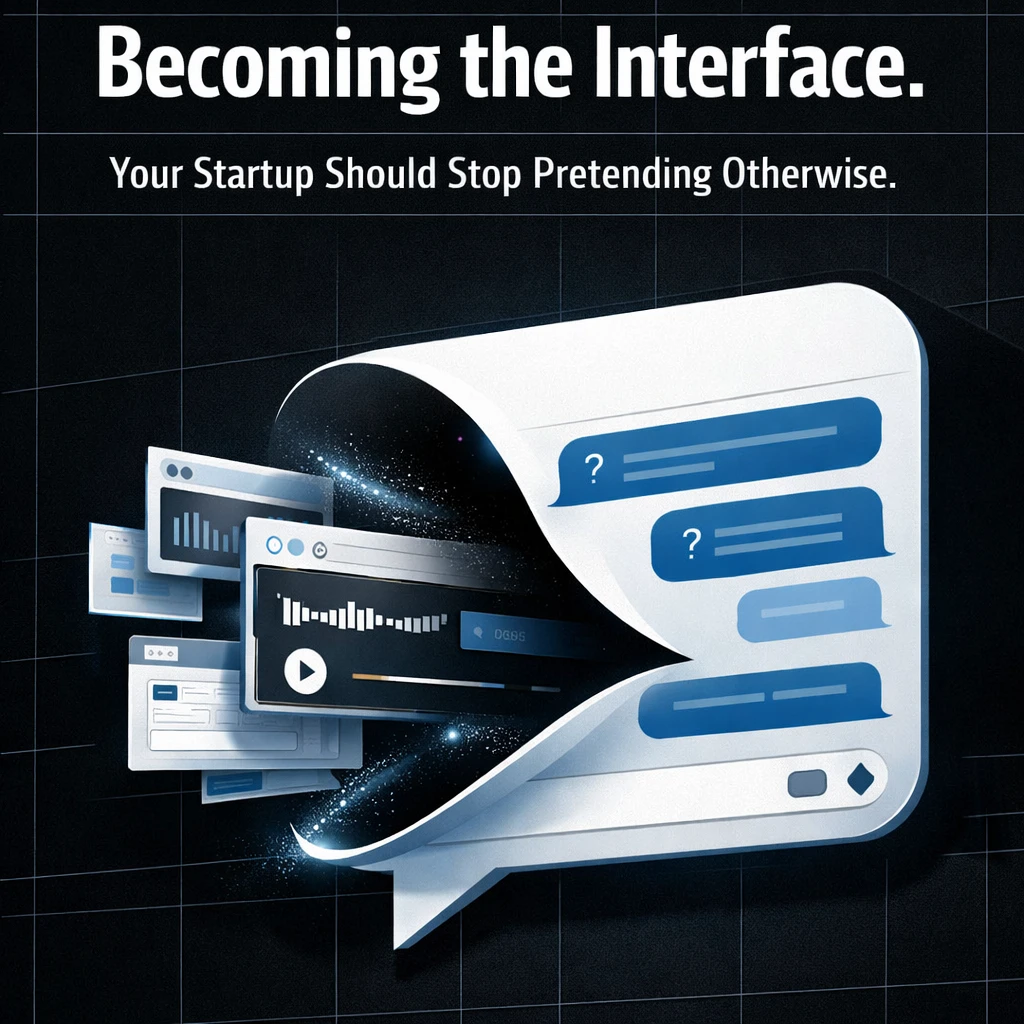
ChatGPT Is Becoming the Interface. Your Startup Should Stop Pretending Otherwise.
OpenAI’s move toward a ChatGPT superapp is not just another product update. It’s a warning shot for AI founders who still think “better features” will beat better control of the workflow.
-
Users Don’t Trust Your AI Product. That’s Now Your Primary Design Problem.
Consumer confidence in AI experiences is collapsing even as AI products proliferate at record speed. The Nielsen Norman Group just called it: trust is the defining UX problem of 2026. Here’s why founders need to treat trust as a design constraint — not a marketing message.
-
The EU Just Started Enforcing AI Transparency in Your UI. Are You Ready?
The EU AI Act’s UI/UX transparency obligations entered active enforcement in June 2026. If your product uses AI to generate or assist interfaces — and your EU users don’t know — you’re not just behind on design. You’re a compliance liability.
-
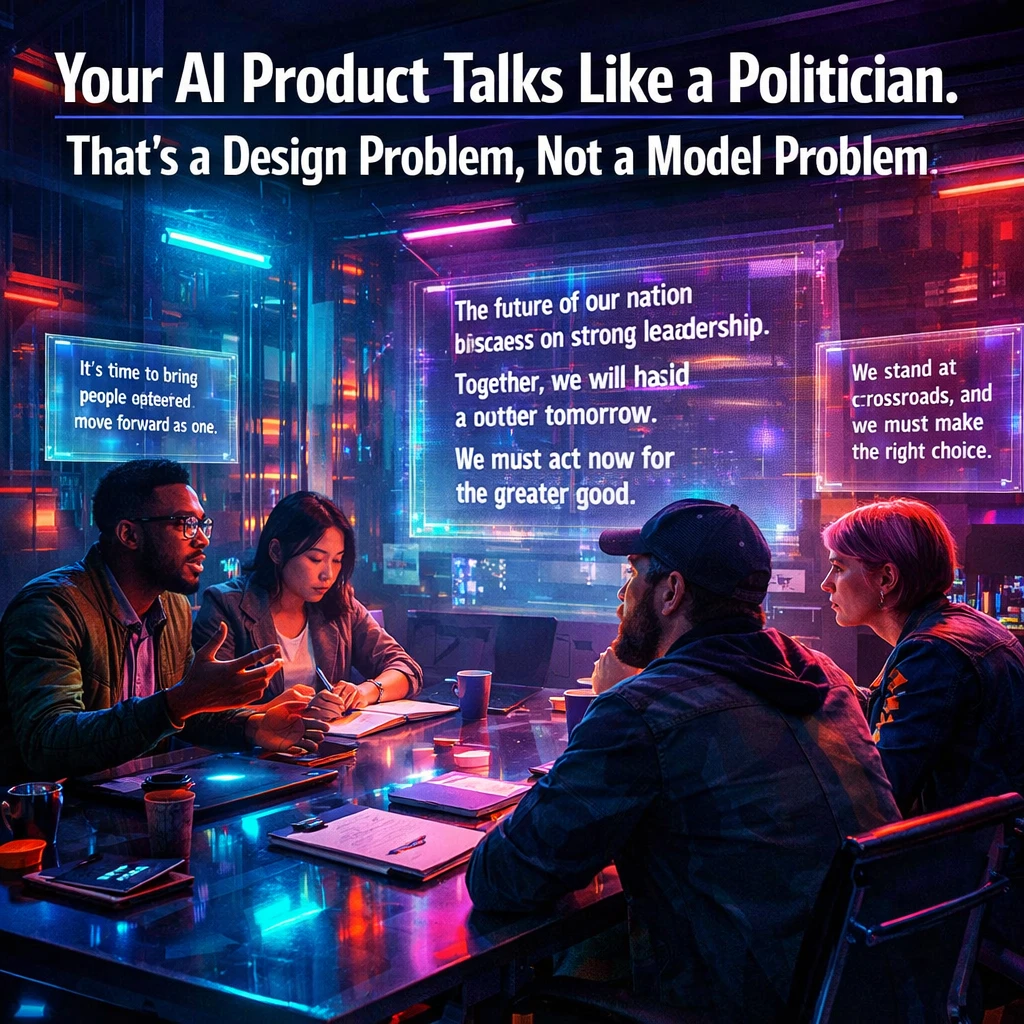
Your AI Product Talks Like a Politician. That’s a Design Problem, Not a Model Problem.
Generative AI is flooding interfaces with fluent, empty language. If you’re shipping AI products without designing for voice, provenance, and trust, you’re not “moving fast” – you’re quietly eroding your users’ reality.
-
AI Onboarding Just Became Default. Your Signup Form Is Now Technical Debt.
Conversational AI onboarding has transformed into an essential component of SaaS activation, with 67% of top companies adopting it by 2026. This shift enhances user activation rates and reduces time-to-first-value, yet many still implement ineffective solutions. Successful onboarding should be proactive and metrics-driven, focusing on real activation moments rather than outdated signup forms.
-
Google Just Turned Agents into the New UI. Now What?
Google just made agentic AI the default experience in its ecosystem. If your “AI assistant” is still a glorified autocomplete, you’re already behind.
-
If Your AI Agent Can’t Be Governed, It Can’t Be Bought
Enterprise buyers just made one thing clear: “cool agents” are irrelevant if no one can see, control, or reverse what they do. If your AI product doesn’t bake governance into the UX, you’re not “early‑stage” — you’re unbuyable.
-
Why Your AI Feature Isn’t Getting Adopted (It’s Not the Model)
Your AI feature works. Your users don’t use it. The problem isn’t the model — it’s everything wrapped around it. Here’s the design gap that’s quietly killing AI feature adoption across the industry.